
DIY vs. Hiring a Pro: Which Home Repairs You Can Safely Do Yourself
There's a lot of pride in fixing your own home — and a lot of money wasted when DIY goes past its limits. This guide draws the line clearly: what's genuinely safe and smart to do yourself, what needs a pro, and how to tell the difference before you're in over your head.
Safely DIY: The Short List
These are low-risk, high-reward projects. Mistakes are cheap and fixable:
- Interior painting — the classic DIY win. Take your time on prep and you'll get 90% of a pro result.
- Caulking — windows, trim, tubs, sinks. Old caulk out, new caulk in. One of the highest-value maintenance tasks there is.
- Hardware swaps — cabinet knobs, door handles, light switch covers, faucets (if the shutoffs work).
- Minor drywall patches — small holes, nail pops, dings. A patch kit, some joint compound, and patience.
- Gutter cleaning — unglamorous, essential, and free if you own a ladder and aren't afraid of heights.
- Yard and drainage basics — keeping soil and mulch away from siding, trimming bushes off the house, making sure downspouts discharge away from the foundation.
Call a Pro: The Clear-Cut Cases
Anything involving rot. This is our number one. Rot always goes further than it looks, and covering it with caulk, paint, or new material without removing it guarantees it comes back worse. Rot repair means opening things up, cutting back to solid wood, and rebuilding — that's pro work.
Water intrusion and moisture damage. Stains on ceilings, soft spots in walls, musty smells — the visible part is never the whole story. Finding the source takes experience, and the fix usually involves opening walls.
Structural anything. Load-bearing walls, sagging floors, cracked foundations, deck ledgers. If it holds your house up, don't learn on it.
Siding replacement. Proper siding installation is about what's behind the siding — weather barriers, flashing, clearances — as much as the boards themselves. Bad siding installation causes rot that doesn't show up for years.
Roofing and anything on a steep roof. Falls kill. Pros have the equipment and the experience. This isn't the place to save money.
Electrical and plumbing beyond the basics. Swapping a light fixture is one thing. Running new circuits, moving plumbing, touching gas lines — licensed trades, no exceptions.
The Gray Area: It Depends
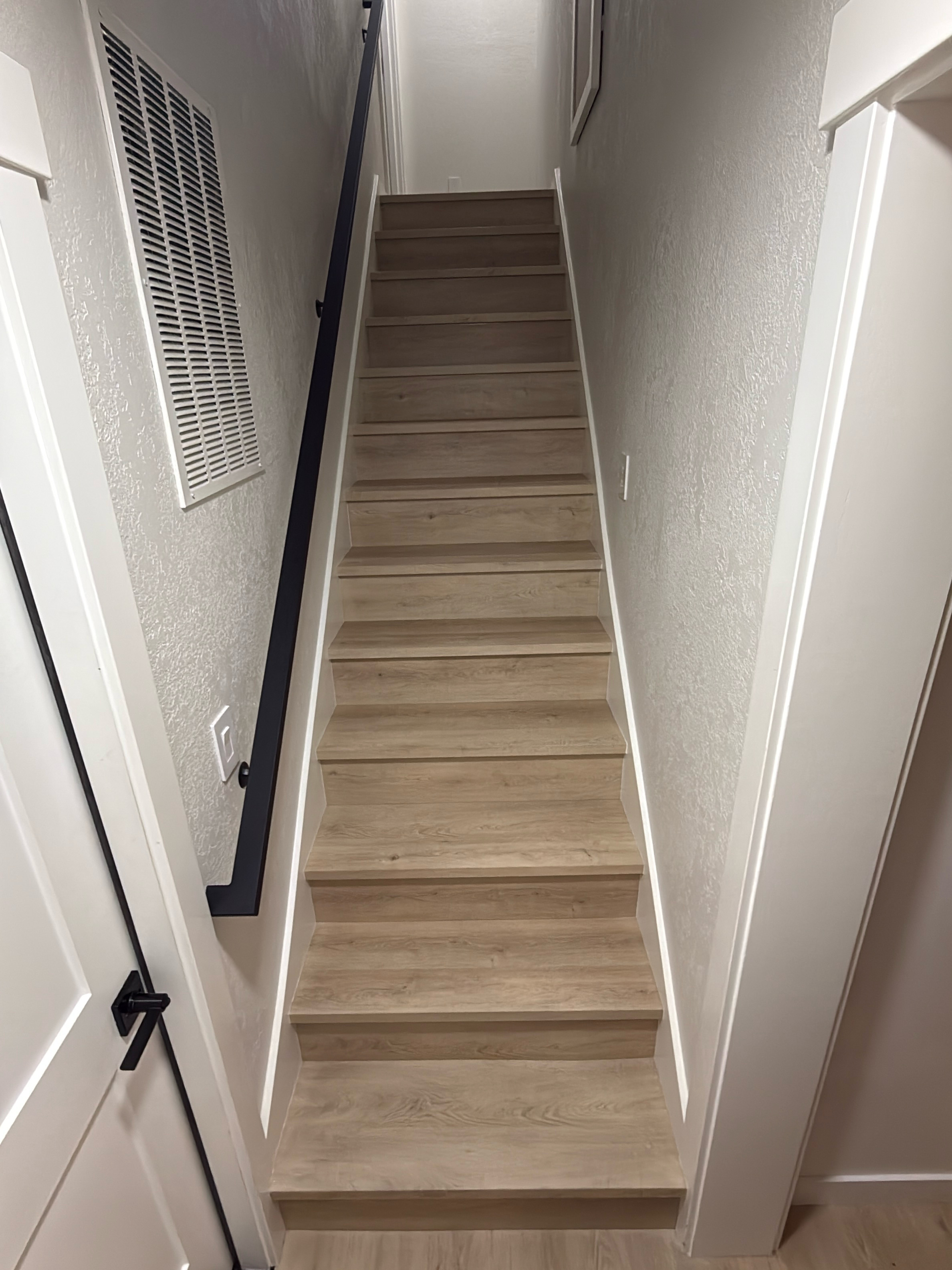
- Flooring — click-lock LVP/LVT in a square room? Very DIY-able. Tile, stairs, or rooms that aren't square? The details get hard fast.
- Trim carpentry — installing baseboard is straightforward; making the joints look good is the skill. If you care about the finish, hire it out.
- Deck building — a ground-level platform deck is a reasonable DIY project. An elevated deck attached to the house with a ledger board is not — that's structural and waterproofing-critical.
- Drywall finishing — hanging drywall is labor; finishing it (tape, mud, texture) is craft. Most DIY drywall looks DIY because of the finishing.
How to Tell You're Over Your Head
Stop and call someone if:
- You uncover rot, mold, or structural damage you didn't expect.
- The project involves water management (flashing, waterproofing, drainage) and you're guessing.
- You've watched three tutorials and still aren't sure about a step — that step is probably the critical one.
- The mistake would cost more to fix than hiring a pro would have cost in the first place.
That last one is the real test. DIY saves money when it works. When it doesn't, it costs more than the pro bid — plus your weekends.
Frequently Asked Questions
I started a repair and found rot. What now?
Stop. Don't cover it up — that makes it worse. Take photos, keep the area dry if you can, and call for an inspection. We'll tell you the extent and what it takes to fix it properly.
Is it cheaper to DIY my bathroom?
Demolition and painting, yes. Plumbing, waterproofing, and tile — the expensive mistakes live there. A failed shower waterproofing job costs far more to redo than hiring it done right once.
What's the most common DIY mistake you fix?
Caulking and painting over rot instead of removing it. Second place: improper flashing on DIY decks and siding patches — the kind of mistake that doesn't show up until years of water damage later.
Can I do the demo myself to save money?
Often, yes — and we're happy to tell you what's safe to tear out before we arrive. Just don't touch anything structural, and stop if you find something unexpected.
Not Sure? Ask.
There's no charge for asking. If you're staring at a project and aren't sure whether it's DIY or pro territory, call (425) 535-3425 or request your free in-home estimate. Ilya and the team at Advanced Home Repairs will tell you straight — including when the answer is "you've got this, here's what to watch for."
Have Questions About Your Upcoming Project?
Tell us about your project and our team will coordinate an on-site consultation and free estimate.